

Hart : Good morning!
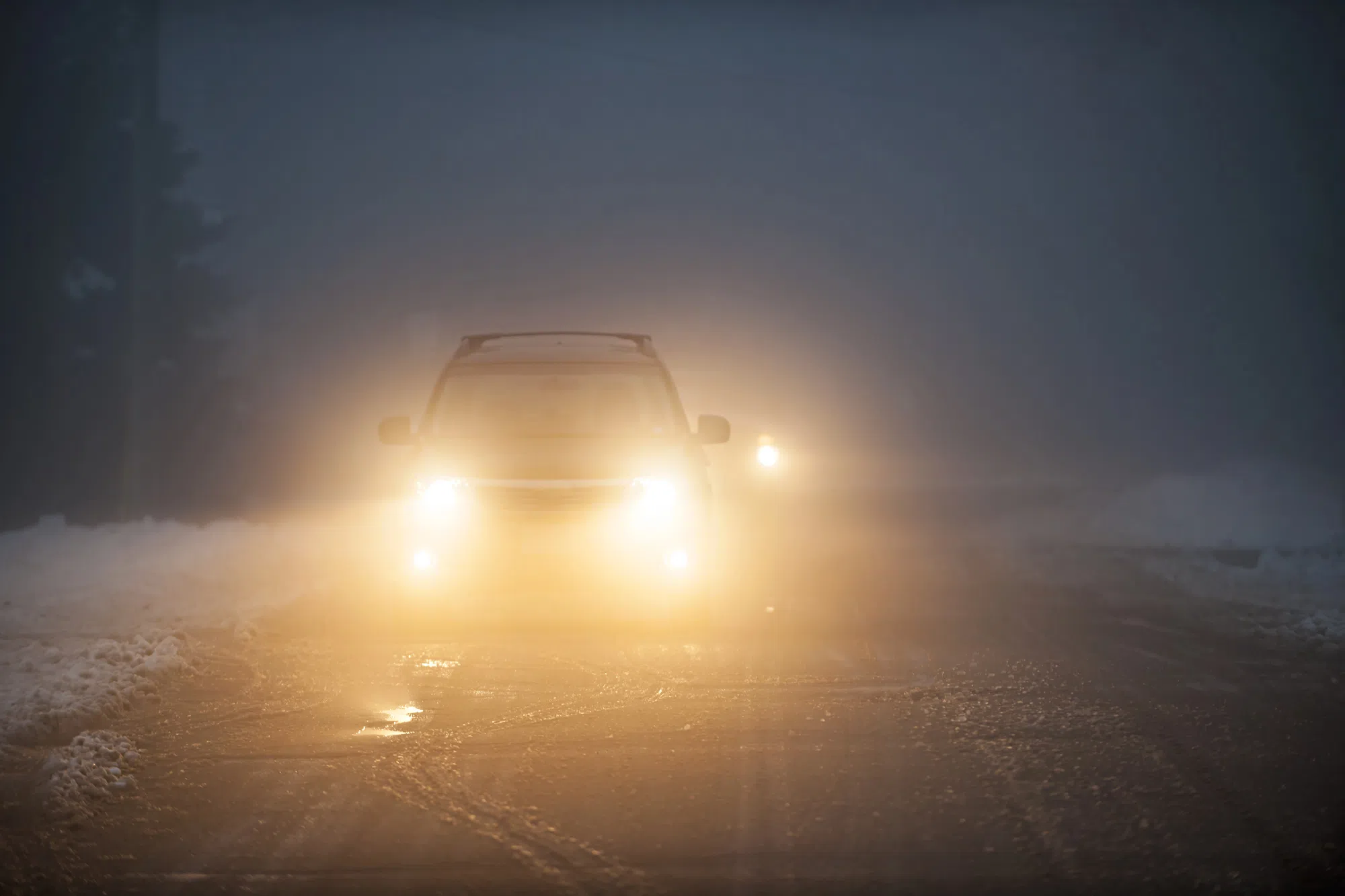
I don’t do a lot of Night driving but I do Drive every morning ” in the dark ” I’m noticing more and more of the Brighter intense headlights in oncoming vehicles .
The rule for me has always been to look to the right at the white line in order to not get glazed by the oncoming vehicle’s bright lights .
Thanks to the Internet I found there are more types of headlights than i ever thought.
The good ole Standard Headlights. Standard headlights have been in play since the first automobiles rolled out of their production line . …
Projector beam headlights use a lens, reflector, and shutter system to focus light from a bulb (halogen, HID, or LED) into a sharp, concentrated beam, offering brighter, more precise illumination with less glare for other drivers compared to traditional reflector headlights. They create a focused pattern with a sharp cutoff, significantly improving visibility at greater distances and are identifiable by the prominent lens in front of the light source, often found on modern and luxury vehicles for superior nighttime performance
Halo Headlights. … Halo headlights (also called Angel Eyes, corona rings, or halos) are decorative rings of light encircling a vehicle’s main headlights, originally popularized by BMW in 2001, offering a distinctive, stylish look and serving as Daytime Running Lights (DRLs) to enhance visibility and customization, often using LEDs for brightness and efficiency, though they don’t typically project light for actual night driving but rather enhance the car’s presence
HID Headlights. … (High-Intensity Discharge) headlights are advanced automotive lights that produce a brighter, whiter, and more energy-efficient light than traditional halogen bulbs by creating an electric arc through xenon gas, rather than heating a filament, offering superior road visibility and safety by illuminating hazards and signs further down the road. These systems use a ballast to step up the voltage and ignite the gas, resulting in intense light, often seen as a natural daylight color
LED Headlights. … LED headlights use light-emitting diodes for brighter, whiter, more energy-efficient, and longer-lasting vehicle illumination than traditional halogen bulbs, converting more electricity into light and less into heat, though upgrading from halogens often requires conversion kits and can be a higher initial investment. They provide superior visibility, cover wider areas, and reduce strain on your car’s electrical system, making them a popular modern upgrade for cars, trucks, and other vehicles.
Laser Headlights. Yeah .. I was kind of shocked to see this too … Laser headlights are a cutting-edge automotive lighting system that uses blue laser diodes, which excite a yellow phosphor to create an intensely bright, efficient, and long-range white light, significantly outperforming traditional LEDs and HIDs for seeing further down the road, though their advanced adaptive features face regulatory hurdles in markets like the U.S.. They offer superior brightness, compact size, and energy efficiency, with systems capable of illuminating up to 650 meters, making them ideal for dark, rural driving, as seen in premium models from Audi and BMW.
- Glare & Blindness: Aftermarket LEDs and HID bulbs are often too bright and poorly focused, blinding oncoming drivers and causing a safety hazard.
- Incorrect Housing: Original headlight housings are designed for specific bulbs; putting powerful LEDs in them scatters light improperly.
- Color Violations: Only white or amber lights are generally allowed on the front of vehicles; red, blue, or green lights are reserved for emergency vehicles.
- Lack of Certification: Most aftermarket bulbs and light bars don’t meet the stringent U.S. FMVSS or Canadian safety standards (DOT/SAE).