


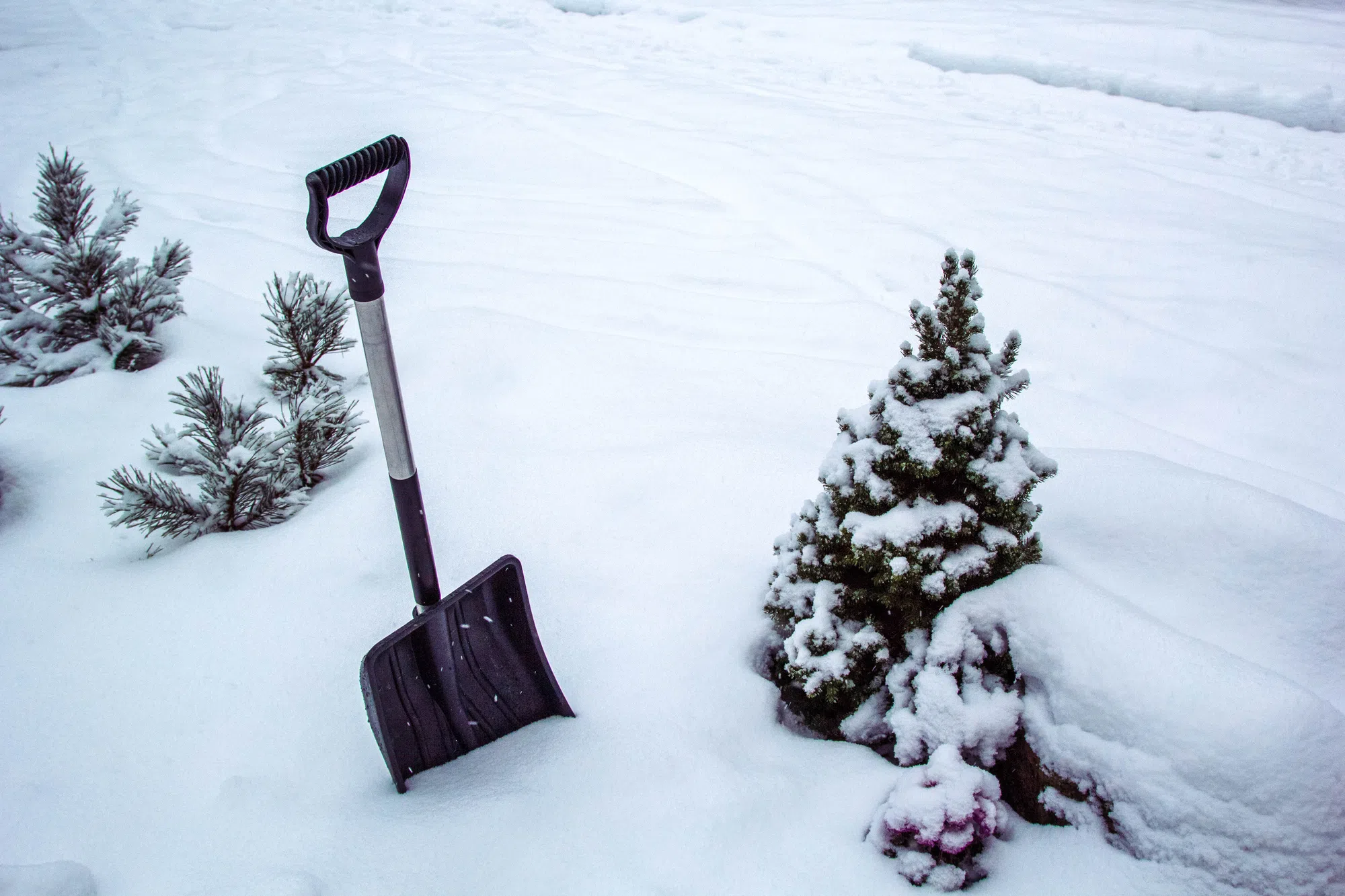
The weather outlook this winter from Environment Canada is straightforward.
“Day-to-day, Canadians will still experience the full range of winter weather,” said Environment Canada meteorologist Jennifer Smith.
Smith was part of a media briefing Thursday setting out the winter forecast.
Smith said this sort of outlook isn’t about predicting snowfall or when a big storm will hit.
“Those are really only predictable at most about a week out,” she said. “Even so, these outlooks help communities prepare for what’s likely in the months ahead.”
She said a weak La Niña system is expected to play a role in winter weather this year.
Temperatures are forecast to be warmer than usual across the eastern Arctic and communities around Hudson Bay, as well as in northern parts of Quebec, Ontario and Manitoba.
Labrador will be warmer, but Newfoundland will remain close to normal.
Eastern Nova Scotia will also be average but the western part of the province may be colder than usual.
Smith said the mild fall gave winter a sharper and colder start than Canada has seen for a few years.
Precipitation is a difficult part of the seasonal outlook, and Smith said confidence is generally lower but there are some clues.
“With a weak La Niña in place, we often see storms tracking from the Yukon, down across the Rockies and parts of the Prairies and then into the western Great Lakes,” Smith said. “That classic storm pathway is where we lean above average for total precipitation this winter.”
Further east, Smith said the forecast becomes less clear, with equal chances of above, near, or below-average precipitation.
“Winter storms that originate in the U.S., such as cold Colorado lows, Texas lows, Nor’-easters that form off the Carolinas, can all make their way into Canada,” Smith said. “Depending on the exact track, they can bring major impacts to southern Ontario, southern Quebec and Atlantic Canada.”